
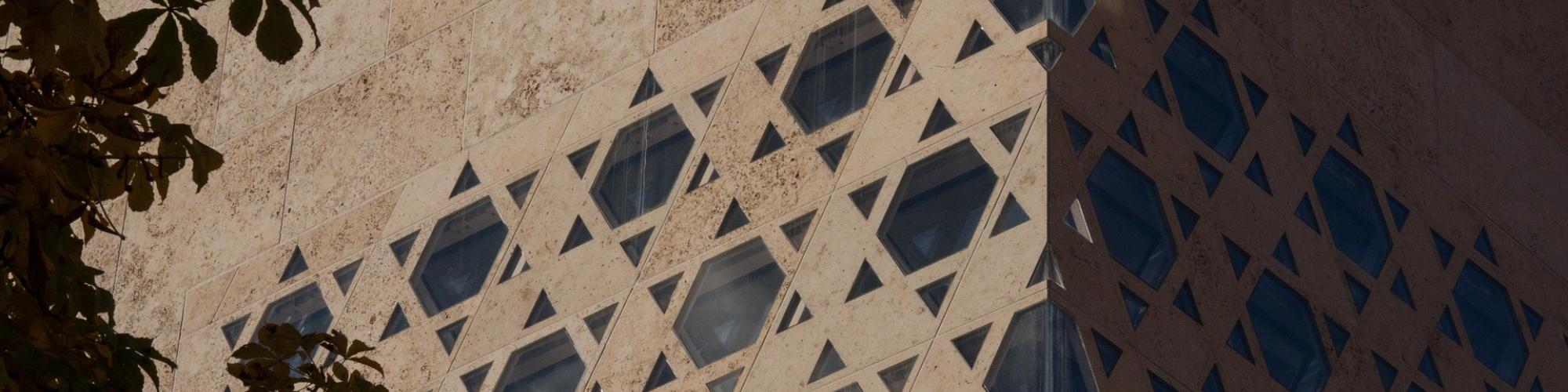
Jewish and Zionist identity is the inheritance of a people whose collective memory has been shaped by exile and return, persecution and creativity, political vulnerability and national renewal—and, above all, by an extraordinary determination not to disappear.
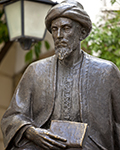
Welcome to the Institute for Jewish Ideas & Ideals
The Institute for Jewish Ideas and Ideals offers a vision of Orthodox Judaism that is intellectually sound, spiritually compelling, and emotionally satisfying. Based on an unwavering commitment to the Torah tradition and to the Jewish people, it fosters an appreciation of legitimate diversity within Orthodoxy.
YouTube
Rabbi Marc D. Angel answers your questions on our YouTube channel!
The IDEAS Campaign

Please support our IDEAS campaign and be our partners in creating a dynamic and compassionate Orthodoxy. Contribute now! Supporters are featured on our online Scroll of Honor.
Conversations
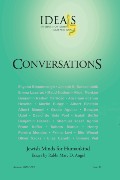
Find out more about Conversations, the Institute's print journal, including how to get your copy. You can also review our Article Title or Author index.

With the holidays coming toward an end, Rabbi Hayyim Angel will be resuming his classes, many of which are available to members of the Institute.
The Jewish story we tell ourselves is not complete. Essential parts of it have been preserved outside the written canon, within the rhythms of life itself, and especially in the voices of women. For the Jewish story to continue, it must also include what has been preserved beyond texts, the wisdom carried through women’s tradition.
I encourage parents to dream of ways to mark their child’s special day in a way which is meaningful, special and appropriate—whether they are a person with autism, anxiety and other mental health issues, visual impairments, deafness, are non-speakers or have minimal speech, mobility issues, or deal with learning disabilities. I encourage them to think about the many options available.

It is fitting that Simhat Torah is associated with Shemini Hag Atsereth. The spiritual power of Torah has infused the Jewish people for thousands of years—and it has the power to help each of us develop our lives into a new, beautiful masterpiece.
A grounded Jewish identity, shaped by our sacred texts, faith, practices, and history, and strengthened by our families and communities, provides stability where none exists in the accusations of others. It is not a shield against hatred, but it allows us to withstand it without being defined or destroyed by it. That kind of identity does not emerge on its own. It must be taught, learned, and lived.